Please note: This guide explains common patterns. It cannot determine what is happening to a particular person, and it does not replace medical assessment.
- HomeSleep, appetite, anger, withdrawal or routines
- SchoolAttendance, learning, attention and peer problems
- DevelopmentCommunication, play and age-expected skills
- SafetyBullying, abuse, self-harm, substances or risky behaviour
What families may notice
Concerns include persistent sadness, fears, irritability, frequent outbursts, school refusal, falling grades, poor attention, repetitive behaviour, sleep or eating changes, unexplained aches, substance use, self-harm or loss of previously learned skills. A young child may cling or act out; a teenager may withdraw or become unusually reckless.
When it is more than a passing phase
Assessment is helpful when changes last for weeks, appear in more than one setting, cause distress, delay development or interfere with family, school or friendships. Sudden change can also follow bullying, abuse, loss, illness or substance use and deserves careful attention.
How assessment and treatment work
The clinician usually gathers information from the child and caregiver and may request school observations. The child’s age, development, physical health, family circumstances and safety are considered. Support may include parent guidance, school changes, psychological therapy, treatment of a specific condition and, when appropriate, medication with careful monitoring.
Related clinic information: child psychiatry and adolescent mental health.
Helping a child talk
Choose a calm moment and ask open questions: “What has been hardest lately?” Listen before solving. Avoid punishment for symptoms, public shaming or comparing siblings. Respect privacy while explaining that adults must act when safety is at risk.
Preparing for a consultation
A clear history helps the doctor understand what has changed and what support may be appropriate. If possible, bring a trusted family member and:
- pregnancy, birth and developmental history when relevant
- school reports or teacher observations
- a timeline of sleep, behaviour, learning and relationship changes
- all medicines, previous assessments and family health history
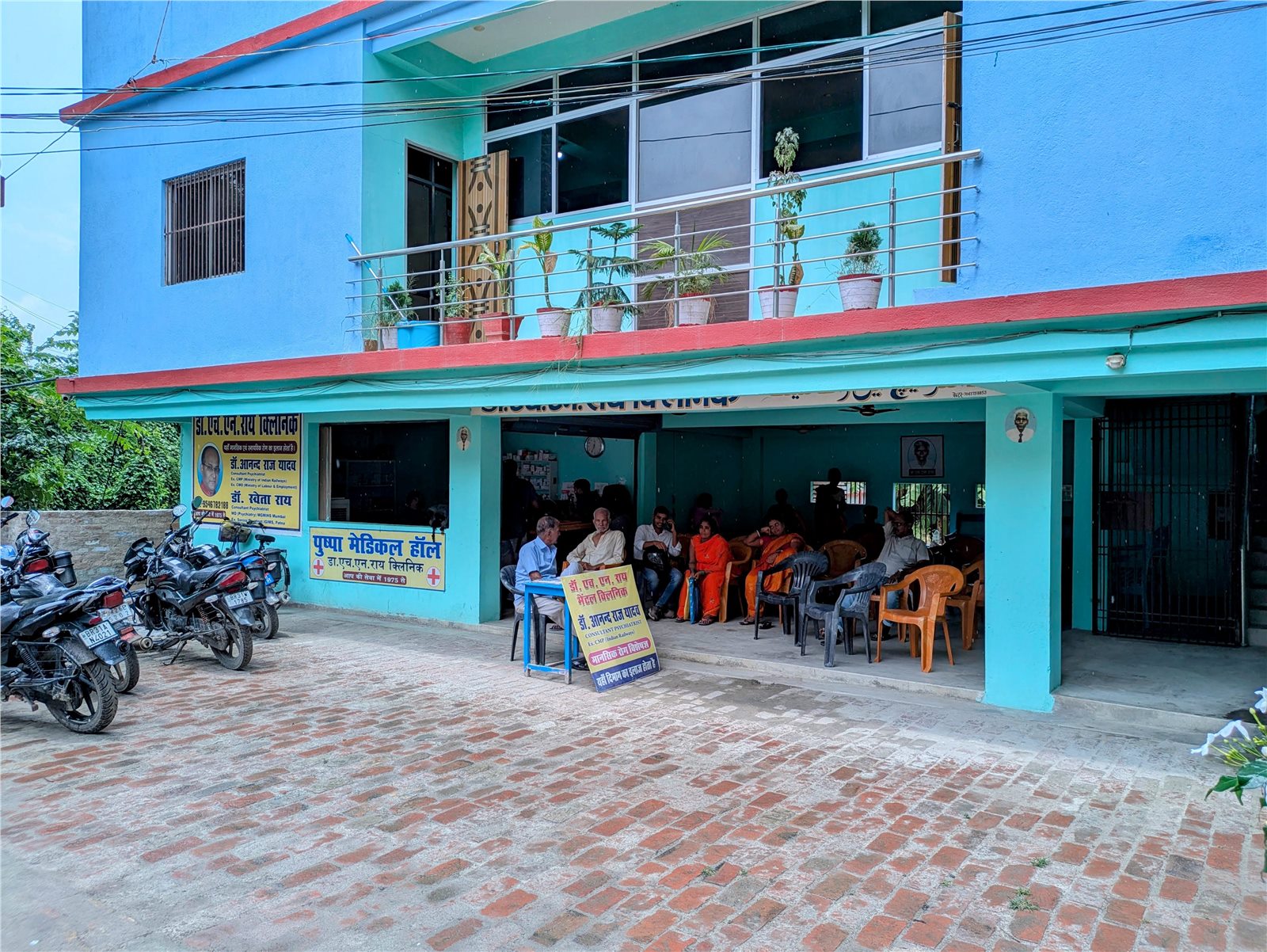
Read about child and adolescent mental-health consultation in Hajipur, or request an appointment. A WhatsApp request is not confirmed until the clinic replies.
Trusted sources and further reading
This article uses general guidance from public-health and research organisations. The links are for education, not personal diagnosis.