Please note: This guide explains common patterns. It cannot determine what is happening to a particular person, and it does not replace medical assessment.
- TriggerA thought, sensation, place or situation
- AlarmWorry, racing heart, breathlessness or tension
- AvoidEscape, reassurance or repeated checking
- LearnGuided treatment helps build safer responses
Normal stress or an anxiety disorder?
Some anxiety before an exam, journey or important decision is normal. A problem may need assessment when worry is excessive, persists even when danger is low, causes repeated panic attacks, or leads someone to avoid school, work, travel, crowds or social situations.
Physical symptoms can include a racing heart, trembling, sweating, chest tightness, dizziness, stomach upset and tingling. A panic attack can feel frightening, but new or severe chest pain, fainting or major breathing difficulty still needs urgent medical assessment because physical illness can look similar.
What the doctor may explore
The clinician may ask about triggers, frequency, avoidance, sleep, caffeine, alcohol, medicines, thyroid or heart symptoms, and whether depression, OCD, trauma or substance use is also present. This helps distinguish different anxiety problems and rule out other causes.
Treatment and recovery
Evidence-based care may include psychological therapy, gradual exposure to feared situations, relaxation and breathing skills, lifestyle changes, medication, or a combination. Treatment is not simply “stop worrying”; it helps the person change patterns that keep anxiety going.
During a panic episode, move to a safe place, slow the exhale, loosen tight clothing and remind yourself that the surge will pass. Repeated panic still deserves assessment rather than repeated emergency tests alone.
Supporting someone with anxiety
Be calm and avoid ridicule. Reassurance can help in the moment, but repeatedly doing every feared task for the person may increase avoidance. Encourage gradual steps agreed with a professional.
Preparing for a consultation
A clear history helps the doctor understand what has changed and what support may be appropriate. If possible, bring a trusted family member and:
- situations, thoughts or sensations that trigger symptoms
- how often attacks happen and how long they last
- caffeine, tobacco, alcohol and medicine use
- any medical evaluations already completed
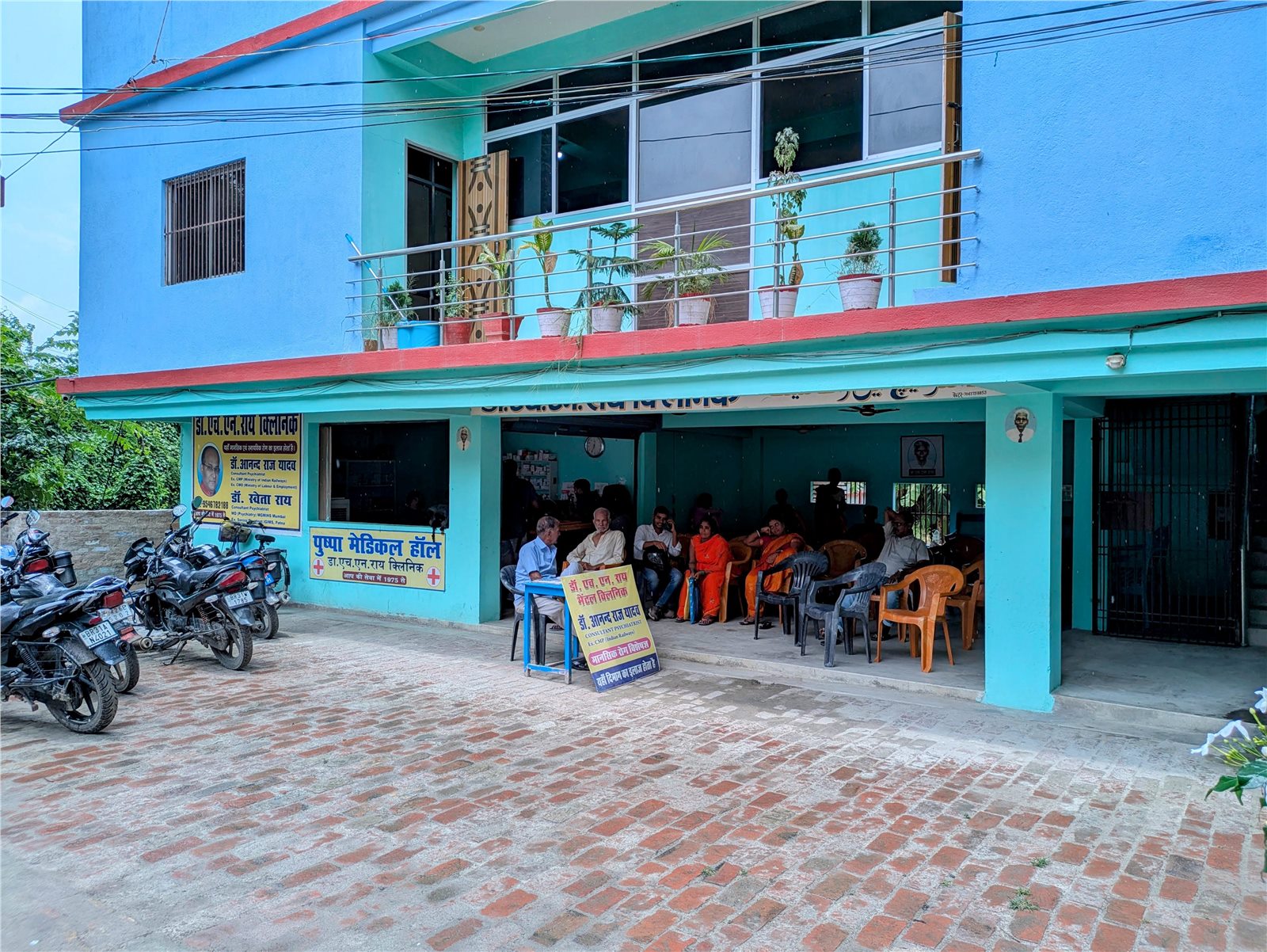
Read about anxiety consultation in Hajipur, or request an appointment. A WhatsApp request is not confirmed until the clinic replies.
Trusted sources and further reading
This article uses general guidance from public-health and research organisations. The links are for education, not personal diagnosis.